JUST IN: UNC’s Explained Decision to Cut Ties with Five-Star Point Guard Dylan Mingo and It’s Not a Setback—It’s a Big Win That Opens the Door for Even Bigger Opportunities
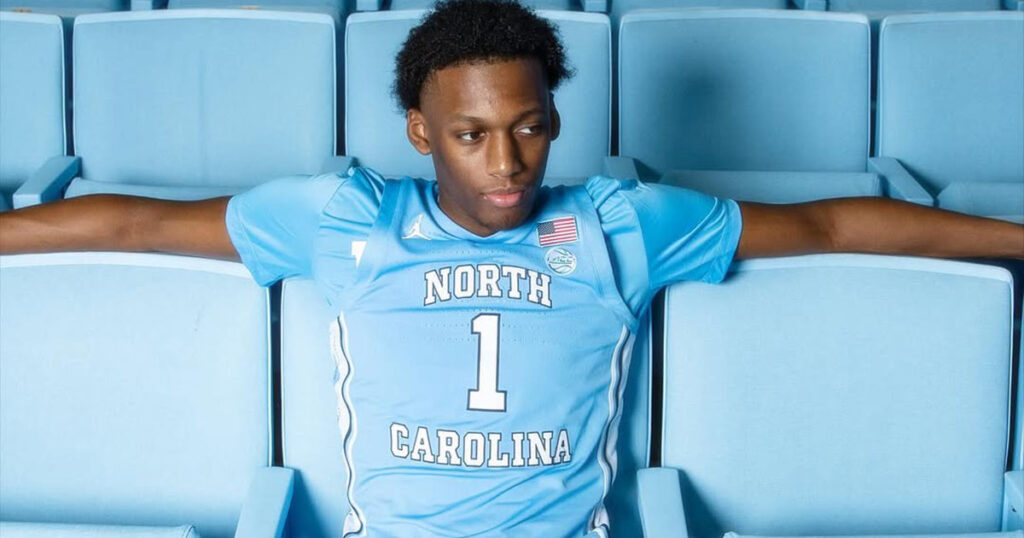
North Carolina’s decision to move on from five-star point guard Dylan Mingo has quickly become one of the most talked-about developments of the offseason. While it initially sparked concern among fans, deeper insight into the situation shows this was not a setback—but a calculated move that could position the Tar Heels for immediate success.
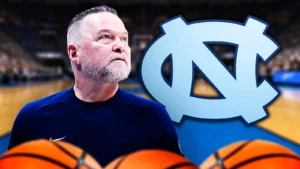
The split came shortly after the arrival of new head coach Michael Malone, who has wasted no time reshaping the program in his image. The program chose to part ways with Mingo despite his elite status as a top-10 national recruit, signaling a clear shift in roster-building philosophy.
Rather than building around a freshman guard, UNC is prioritizing experience, fit, and immediate production. This approach aligns with Malone’s track record, where he consistently leaned on veteran players instead of relying heavily on young prospects. The move suggests that UNC is aiming to compete right away, not endure the growing pains that often come with freshman-led backcourts.
Another major factor is roster restructuring. The decision was tied to broader changes within the team, including aligning personnel with Malone’s system and long-term vision. Conversations between the coaching staff and Mingo’s camp reportedly broke down, reinforcing that this was more about direction than talent.
Financial flexibility also plays a key role. By moving on from Mingo, UNC frees up valuable NIL resources that can now be redirected toward proven players in the transfer portal—targets who can deliver immediate impact. In today’s college basketball landscape, that flexibility is often the difference between rebuilding and contending.

On the court, the fit matters just as much as the talent. Mingo is a ball-dominant guard who would likely require heavy usage as a freshman. Pairing him with other high-usage players—or incoming transfer targets—could create spacing and chemistry issues. By making this decision early, UNC avoids a potential backcourt logjam and builds a more balanced system.
The move also opens the door for key transfer additions. The Tar Heels are actively pursuing experienced guards, with the roster still evolving following multiple departures and portal activity. This signals a clear intention: replace potential with proven production.
Importantly, this isn’t about a lack of belief in Mingo’s talent. He remains one of the most sought-after prospects in the 2026 class and continues to draw attention from top programs. Instead, it’s about timing, system fit, and a new coaching direction.
In the bigger picture, UNC’s decision reflects confidence and ambition. Rather than holding onto a high-profile recruit for optics, the program chose a path that better aligns with its immediate goals. If Malone successfully lands his transfer targets and builds around experienced contributors, this move won’t just make sense—it could be remembered as the turning point of a new era in Chapel Hill.
What looked like a loss on the surface is increasingly being viewed for what it truly is: a bold, strategic win that opens the door for even bigger opportunities.